
Premium Research.
Engineered for precision. Validated by science.
Supplying leading laboratories with high-purity research compounds.
At Alluvi™, we pride ourselves on our state-of-the-art facilities and cutting-edge technology. We employ both automated and manual peptide synthesizers, utilizing advanced solution and solid-phase peptide synthetic techniques. This allows us to produce peptides and proteins that consistently exceed 99% purity, meeting the highest standards of quality and reliability.
What are peptides?
Peptides are biologically occurring chemical compounds that are the basic building blocks of living organisms and have many important functions – both in animals and in the human body. They are formed from amino acids linked together by peptide bonds.
Peptides are classified primarily according to the number of amino acids they contain. Thus, there are types of peptides known as oligopeptides (shorter), polypeptides, or proteins (longer). Due to their properties, peptides are used in cosmetics, aesthetic medicine, and bodybuilding and strength training as a healthy alternative to anabolic steroids.
How are peptides formed?
Peptides can be formed in two different ways: naturally (through protein biosynthesis in organisms) or synthetically in the laboratory. The latter method makes it possible to produce an unlimited number of peptides using liquid-phase or solid-phase synthesis techniques, which is a great benefit to science today.
Classification of peptides – ribosomal and non-ribosomal peptides
Fishosomal peptides are divided into several classes depending on how they are produced. Most commonly, they act as hormones and signaling molecules in organisms. Examples of ribosomal peptides include intestinal peptides, opioid peptides, and pancreatic peptides. Interestingly, some of these peptides are antibiotics.
Non-ribosomal peptides, on the other hand, are produced by enzymes and are commonly found in plants, fungi, and single-celled organisms. The most common non-ribosomal peptide is glutathione, which exhibits strong antioxidant activity.
Functions of peptides
As already mentioned, peptides have a wide range of properties and perform many functions in organisms. Among other things, they are able to stimulate the body to produce the substances it needs, and are then quickly excreted by the body.
What else can peptides do for you?
- Promotes muscle growth and fat loss,
- Promoting recovery after training through positive effects on sleep,
- Stimulation of growth hormone production, i.e., somatropin (GH),
- have anti-aging properties (antioxidants)
- improve immunity,
- lower blood sugar and cholesterol levels,
- provide energy.
Of course, they don’t produce the same immediate results as steroids, and you should be prepared to take them long-term—with peptides, you’ll see results if you’re patient and diligent. However, the effects of peptides are far less invasive for the body, and, most importantly, they don’t cause dangerous side effects. Therefore, they can successfully be described as a natural athletic enhancer.
Buying peptides – how to choose so you don’t regret it?
If you’re looking to stock up on peptides, don’t buy them from the first source you find. Although peptides themselves are a natural substance, you should be sure you’re getting exactly what you’re paying for. Furthermore, price shouldn’t be the only selection criterion when choosing peptides, and a suspiciously low price can even be a red flag.
Biolab is committed to transparency with consumers and to research. We believe that only concrete figures can demonstrate the quality of our products. Therefore, you will find details of the studies we have conducted and access to their documentation on our website. Learn more under Research. If you have any further questions, you can also check out our forums at any time.
How do you store peptides?
Proper storage is essential to preserve the unique properties of peptides and ensure their effectiveness. With proper storage, peptides can be preserved for years and protected from contamination, oxidation, or degradation. Therefore, it’s a good idea to learn about this topic and understand how to store peptides to extend their stability and ensure you achieve the best results.
When you receive peptides, the most important thing is to store them in a cool, dark place. If you intend to use the peptides immediately or within the next few days, you should briefly refrigerate them at 4°C. When you receive the peptides, it is important that they are stored in a cool, dark place. If the peptides are to be used immediately or within the next few days, weeks, or months, short-term refrigeration of the peptides at 4°C is generally acceptable.
The situation is somewhat simpler with freeze-dried peptides. Peptides in this form remain stable at room temperature for several weeks or even longer. If you intend to use them within a few weeks or months, such storage should be sufficient.
Longer storage of peptides (from a few months to a few years) is also possible, but in this case, a freezer and a temperature of -80°C are required to maintain their stability. However, avoid repeated freeze-thaw cycles, as this increases the risk of peptide degradation, as well as so-called “non-freezers”—temperatures in these types of appliances can fluctuate.
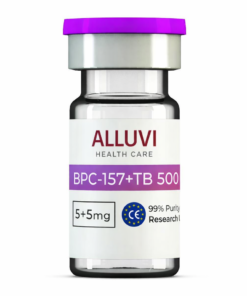
Peptides
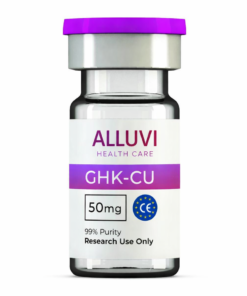
Peptides
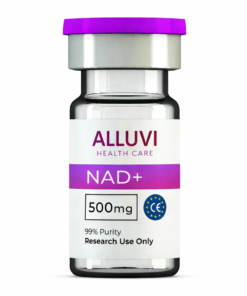
Peptides
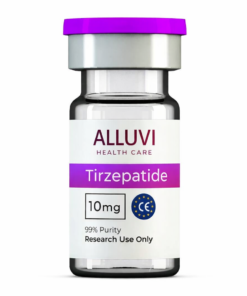
Peptides